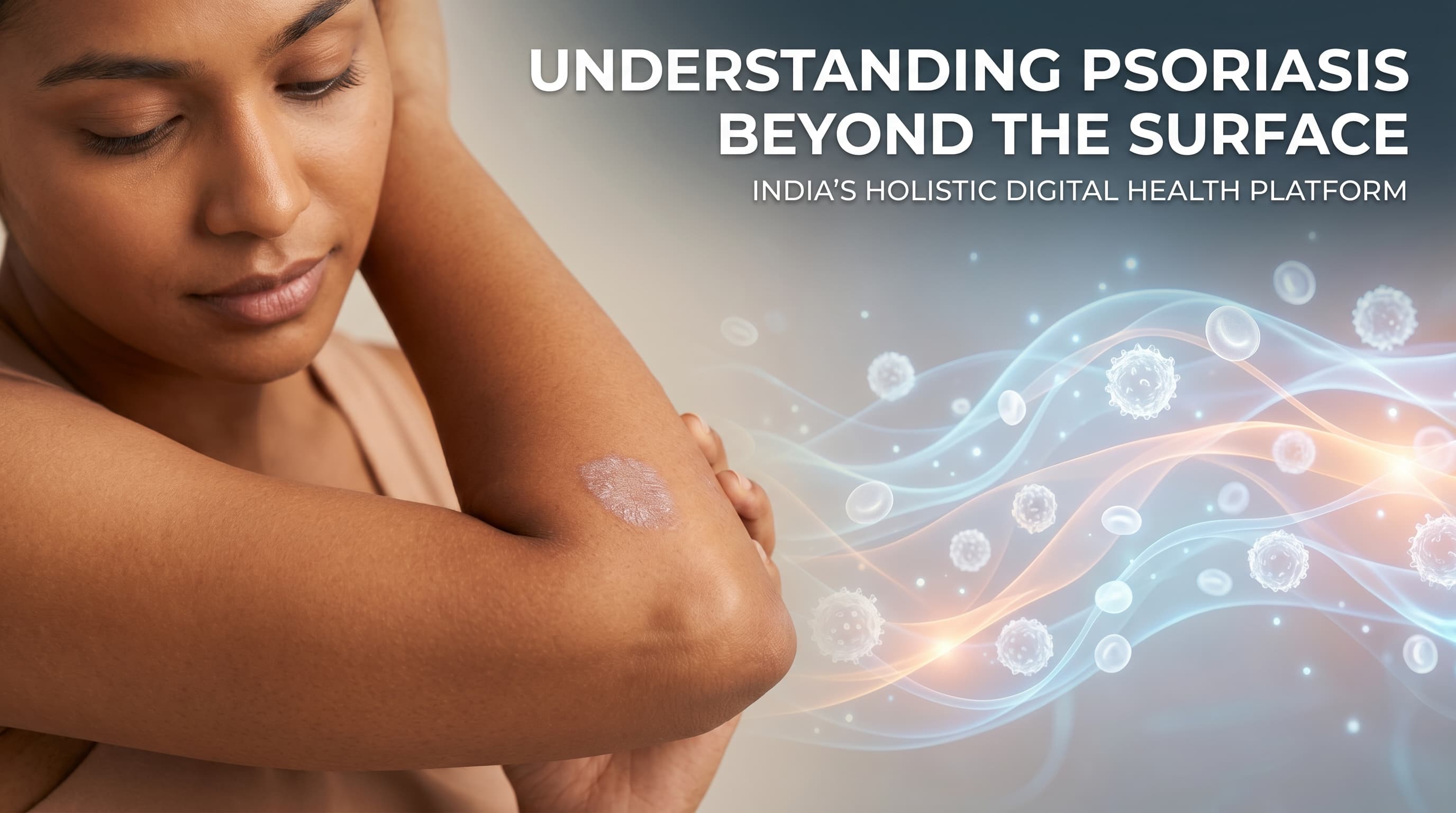
Types of Psoriasis and Their Effects on the Immune System
Psoriasis is a long term skin condition. It alters how skin cells grow. In a healthy body, skin cells mature over one month. For individuals with psoriasis, this process takes just a few days. This rapid turnover leads to a buildup of skin cells. It creates thick, scaly, and painful patches. You must learn about the Types of Psoriasis and Their Effects on the Immune System. Within India, the prevalence of this condition ranges between 0.44 percent and 2.8 percent. It is most commonly diagnosed in young adults. It occurs more frequently in males. Understanding the Types of Psoriasis and Their Effects on the Immune System helps you manage it well.
To grasp why this happens, look at the protective shield of the body. Psoriasis is an immune mediated inflammatory disease. The body defenses mistakenly attack healthy tissues. This internal dysfunction manifests outwardly as visible skin lesions. Lesions are localized areas of damaged tissue. The condition is systemic because it affects the entire body. Chronic inflammation influences other health aspects. Indian patients frequently experience high blood sugar and high blood pressure. Severe vitamin D deficiencies are also very common. Evaluating the Types of Psoriasis and Their Effects on the Immune System explains these medical risks.
The Root of Immune Dysfunction
The development of psoriasis relies on a complex internal interaction. It involves innate immunity, which is your immediate defense. It also involves adaptive immunity, which creates targeted antibodies. These systems usually work in perfect harmony. They neutralize threats like viruses or bacteria. In a person with psoriasis, this mechanism misfires completely. This process showcases the core relationship behind the Types of Psoriasis and Their Effects on the Immune System.
The cascade begins when certain white blood cells become abnormally active. These are called dendritic cells. They begin secreting high amounts of signaling proteins. These are interleukin 12 and interleukin 23. These chemical signals mistakenly activate specific helper white blood cells. These are T helper 1 and T helper 17 cells. They turn into aggressive defenders against your own body. This specific T cell activation psoriasis path triggers long term tissue inflammation. This activity forms the base of the Types of Psoriasis and Their Effects on the Immune System.
Once activated, these T cells travel directly to the epidermis. The epidermis is the outermost layer of the skin. Here, they release a wave of inflammatory proteins called cytokines. These are interleukin 17, interleukin 22, and tumor necrosis factor alpha. This heavy influx creates an intense chemical environment. It triggers the hyperproliferation of keratinocytes. This is the rapid overproduction of standard skin cells. These molecules cause a widening of local blood vessels. This brings more inflammatory cells to the area. It leads to the characteristic redness and heat felt in patches. This network explains the dynamic of the Types of Psoriasis and Their Effects on the Immune System.
Diverse Types of Psoriasis
Plaque Psoriasis
This variant stands as the most common chronic plaque psoriasis presentation. It accounts for more than 85 percent of cases in India. The definitive plaque psoriasis symptoms include sharply bordered patches. These patches are covered with dry, silvery white flakes called scales. These chronic plaque psoriasis plaques typically develop on limbs. They appear on the outer elbows, knees, lower back, and scalp. The intense internal inflammation can cause the skin to split. This leads to deep cracks that bleed easily. It causes a burning soreness during daily movements. This classic form clearly displays the inner mechanics of the Types of Psoriasis and Their Effects on the Immune System.
Guttate Psoriasis
This type presents as a sudden outbreak of tiny spots. They look like individual, drop shaped spots across the torso and arms. It is often referred to as childhood psoriasis. It frequently impacts children and young adults. Regarding guttate psoriasis causes, the primary trigger is an acute infection. A common example is streptococcal pharyngitis, which is a bacterial throat infection. The underlying immune mechanism involves a phenomenon called molecular mimicry. The body creates defensive proteins to fight the bacteria. However, the bacteria look identical to human skin proteins. The immune cells accidentally turn their focus toward attacking the skin. This severe reaction alters the course of the Types of Psoriasis and Their Effects on the Immune System.
Inverse Psoriasis
This specific variant appears within delicate areas where skin rubs against skin. It targets the inverse psoriasis skin folds. These include the armpits, groin, and the folds beneath the breasts. The physical presentation consists of smooth, intensely red patches. They lack the typical silvery scales due to local moisture. This specific type is exceptionally difficult to manage in India. The hot and humid weather causes constant sweat and friction. Friction worsens the underlying inflammation. This regional challenge highlights the diversity within the Types of Psoriasis and Their Effects on the Immune System.
Pustular Psoriasis
This is a less common but considerably more severe form. It is characterized by the rapid formation of multiple blisters. These are filled with non infectious fluid containing white blood cells. They are known clinically as sterile pustules. It can manifest as palmoplantar psoriasis. This restricts the painful blisters to the palms and soles. It can also present as generalized pustular psoriasis. This spreads across vast areas of the body. The generalized form is a critical medical emergency. It disrupts the ability of the skin to control internal body temperature. It leads to high fevers, a racing pulse, and muscle weakness. This urgent state shows the danger of the Types of Psoriasis and Their Effects on the Immune System.
Erythrodermic Psoriasis
This is the rarest and most dangerous variant of the condition. It constitutes an erythrodermic psoriasis emergency. It involves intense, fiery redness and peeling over the entire body surface. The immune system becomes completely overwhelmed. This causes massive dilation of skin blood vessels. It leads to a dangerous loss of vital fluids and proteins. This severe disruption can lead to life threatening complications. These include hypothermia, which is a dangerous drop in body temperature. It also causes severe dehydration and heart strain. Such critical emergencies highlight the deep systemic nature of the Types of Psoriasis and Their Effects on the Immune System.
Psoriatic Arthritis
This form highlights the true systemic nature of the condition. The inflammatory process moves deep into the skeletal framework. It leads to psoriatic arthritis joint pain, stiffness, and permanent damage. It affects roughly 24 percent of individuals who have the skin condition. The immune system attacks the synovium, which is the soft tissue lining a joint. It also attacks the entheses, which are the points where tendons attach to bone. This results in a distinctive swelling of an entire finger or toe. This symptom is called dactylitis, giving the digit a sausage like appearance. It frequently causes severe pain in the heels and lower spine. This joint breakdown is a painful aspect of the Types of Psoriasis and Their Effects on the Immune System.
Triggers in the Indian Context
Genetic factors establish a baseline vulnerability to the condition. However, environmental elements act as the direct fuse. They ignite the underlying immune system dysfunction skin. In India, specific cultural, lifestyle, and dietary patterns play a major role. They control how the disease flares up over time. These external elements heavily interact with the fundamental Types of Psoriasis and Their Effects on the Immune System.
Dietary Influences
Certain foods can worsen systemic inflammation. They alter the gut microbiome, which is the community of microbes in your gut. Traditional Indian meals high in refined sugars can cause harm. Deeply fried snacks like samosas or pakoras trigger inflammation. Foods rich in saturated trans fats stimulate the liver to produce inflammatory proteins. This path highlights the impact of psoriasis triggers Indian diet choices. Conversely, a balanced diet rich in turmeric can help. Turmeric contains curcumin, which dampens these pathways. Regular cultural practices like fasting can influence the immune system. However, sudden overindulgence during festivals like Diwali can cause rapid metabolic stress. This stress drives the expression of the Types of Psoriasis and Their Effects on the Immune System.
Weather and Environment
The highly diverse climate of India introduces unique geographic challenges. Studies in northern cities like Amritsar show trends of severe symptoms. Researchers believe this is tied to extreme temperature shifts. These range from intense summer heat to dry winter cold. The low humidity of winter strips the skin of natural oils. This leads to micro cracks that trigger the Koebner phenomenon. This is a reality where new psoriatic patches develop along lines of skin injury. These weather changes directly reshape the visual pattern of the Types of Psoriasis and Their Effects on the Immune System.
Systemic and Lifestyle Factors
Mental stress is a primary trigger for the immune system. It causes the brain to release stress hormones like cortisol. These hormones act directly on immune cells. They cause them to release a higher volume of inflammatory cytokines. Furthermore, metabolic syndrome is highly prevalent among urban Indian professionals. It includes central obesity, high blood pressure, and elevated triglycerides. It is common in high stress environments like the software sector. This metabolic imbalance creates a state of continuous low grade internal inflammation. This continuous stress alters the baseline of the Types of Psoriasis and Their Effects on the Immune System.
Understanding Types of Psoriasis and Their Effects on the Immune System
To manage this condition, you must look at your body as a whole system. Every clinical variation alters your immune health differently. The continuous activation of white blood cells creates a cycle of inflammation. This cycle affects your skin, joints, and internal metabolic pathways. By analyzing the Types of Psoriasis and Their Effects on the Immune System, doctors can predict potential complications. They can look for early signs of joint damage or heart stress. This comprehensive view forms the foundation of modern dermatology. It allows for targeted care that addresses the internal cause, not just the surface skin flakes.
Managing this condition effectively requires a multi layered approach. You should start with a professional dermatologist consultation in India. Treatment plans are highly personalized. They rely on a formal PASI score assessment India. This is the Psoriasis Area and Severity Index used by doctors. It measures the exact surface area, redness, thickness, and scaling of skin lesions. This objective measurement helps clinicians chart the course of the Types of Psoriasis and Their Effects on the Immune System.
|
Treatment Level |
Target Severity |
Common Options |
Estimated Monthly Cost (INR) |
|
Topical Therapy |
Mild (PASI less than 7) |
Topical steroids, Salicylic acid, Coconut oil |
200 to 800 |
|
Phototherapy |
Moderate (PASI 7 to 12) |
Narrowband UVB light sessions |
1,500 to 4,000 |
|
Traditional Systemic |
Moderate to Severe |
Methotrexate, Cyclosporine, Apremilast |
500 to 2,000 |
|
Biologic Therapy |
Severe (PASI greater than 12) |
Secukinumab, Ixekizumab injections |
20,000 to 1,00,000+ |
Topical and First Line Therapies
For mild forms, symptoms affect less than 10 percent of the body. The primary focus is on direct skin applications. Doctors frequently prescribe topical steroids for psoriasis. These creams quickly calm local immune cell activity. They reduce surface redness and swelling. They are often paired with salicylic acid to soften thick scales. Deep emollients are also essential. These are intensive moisturizing agents like liquid paraffin or high quality coconut oil. They preserve the natural barrier of the skin. A standard dermatologist consultation in India ranges from 500 to 1,500 Indian Rupees. Basic topical creams generally cost between 200 and 800 Indian Rupees per month. These basic therapies calm the localized expression within the Types of Psoriasis and Their Effects on the Immune System.
Phototherapy and Traditional Systemic Drugs
When the disease covers a larger area, clinicians introduce light treatments or oral medications. Phototherapy involves exposing the skin to specific wavelengths of light. They use narrowband ultraviolet B light. This light helps slow down the hyperproliferation of keratinocytes. It alters the behavior of overactive T cells in the skin layers. This light application modifies the active patterns of the Types of Psoriasis and Their Effects on the Immune System.
If light therapy is insufficient, doctors utilize systemic immunosuppressants. These are oral medications that calm the entire immune system. They include traditional options like Methotrexate or Cyclosporine. They also use newer small molecules like Apremilast. These medicines are quite affordable. They cost approximately 500 to 2,000 Indian Rupees per month. However, they require consistent blood tests. Doctors must monitor liver function, kidney function, and blood counts. They act as broader shields when modulating the dynamic behind the Types of Psoriasis and Their Effects on the Immune System.
Biologic Therapies
Advanced medicine utilizes biologics for severe, unresponsive cases. They are also used for active psoriatic arthritis. These are engineered monoclonal antibodies. They are laboratory produced molecules designed to target specific proteins. They block the specific cytokines IL 17 and IL 23 with extreme precision. By neutralizing these proteins, biologics halt the inflammatory cascade. They do this without suppressing the entire immune system. This targeted block is a modern milestone in treating the Types of Psoriasis and Their Effects on the Immune System.
However, the biologic therapy cost India remains a significant hurdle for families. These advanced injections can cost from 20,000 to over 1,00,000 Indian Rupees per month. Common options include Secukinumab or Ixekizumab. These therapies are required long term. They are rarely fully covered by standard basic insurance policies in India. They present a substantial financial challenge to most households. This financial reality limits the access many patients have to advanced management of the Types of Psoriasis and Their Effects on the Immune System.
A Path to Long Term Wellness
Living with a chronic autoimmune skin disease India requires a holistic strategy. It extends far beyond medical prescriptions. Stress, metabolic health, and skin health are deeply intertwined. Sustainable management relies heavily on everyday choices. These lifestyle modifications directly support how the body copes with the underlying Types of Psoriasis and Their Effects on the Immune System.
Patients must commit to a gentle, daily skin care routine. This includes bathing with lukewarm water instead of hot water. You should use soap free cleansers. Apply heavy, fragrance free moisturizers within three minutes of drying off. This practice locks in essential moisture. Protecting the skin from physical injuries is equally important. Avoid minor cuts and harsh friction to prevent new lesions from forming. These skin habits reduce external irritation to the deep mechanisms governing the Types of Psoriasis and Their Effects on the Immune System.
|
Action Category |
Recommended Steps (What to Follow) |
Activities to Restrict (What to Avoid) |
|
Skin Moisture |
Apply thick emollients within 3 minutes of a bath |
Avoid hot water baths that dry out skin layers |
|
Plaque Care |
Use soft, micro fiber cloths to pat dry gently |
Do not scratch or violently scrub thick plaques |
|
Nutritional Habits |
Consume anti inflammatory spices like turmeric |
Avoid processed sugars and deeply fried local foods |
|
Stress Control |
Practice daily stress relief like deep breathing |
Avoid long stretches of high stress isolation |
|
Medical Guidance |
Maintain regular follow ups for PASI score trackings |
Do not self medicate with strong steroid creams |
Incorporating stress reduction practices can create measurable changes in systemic inflammation. Dedicate time to deep breathing exercises, traditional yoga, or daily meditation. This helps lower stress hormones. It directly reduces the frequency and intensity of immune flares. Furthermore, you must address lifestyle factors. Maintain a healthy weight and exercise regularly. Avoid tobacco use and limit alcohol intake. This helps lower the risks associated with metabolic syndrome. It also prevents cardiovascular complications. These practices change how the body processes the inner challenges linked to the Types of Psoriasis and Their Effects on the Immune System.
Partnering closely with an experienced dermatologist ensures safety. Maintaining consistent checkups ensures that treatment plans are modified as the disease changes. With the steady introduction of modern medical therapies, life becomes much easier. A dedicated focus on overall physical health brings immense relief. Individuals living with psoriasis can successfully achieve clear skin. They can protect their joint health and live a vibrant, fulfilling life. Long term wellness is completely achievable when you manage the fundamental relationship defined by the Types of Psoriasis and Their Effects on the Immune System.
Common Questions
What are the early signs of Types of Psoriasis and Their Effects on the Immune System?
The early signs include small, red bumps on the skin. These bumps often develop on the elbows, knees, or scalp. Over time, they grow into raised patches covered with silvery scales. You may also notice mild skin itching, burning, or dry cracks that bleed. These surface changes reveal the early activity of the Types of Psoriasis and Their Effects on the Immune System.
How is Types of Psoriasis and Their Effects on the Immune System diagnosed?
A qualified dermatologist diagnoses this condition primarily through a physical exam. The doctor inspects your skin, scalp, and nails for characteristic lesions. In rare cases, they perform a small skin biopsy to confirm the cell patterns under a microscope. Doctors also check your joints for signs of inflammation. This clinical review maps out the true extent of the Types of Psoriasis and Their Effects on the Immune System.
What is the best treatment for Types of Psoriasis and Their Effects on the Immune System?
The best treatment depends entirely on the severity of your specific condition. Mild cases respond well to topical steroids and deep moisturizers. Moderate cases benefit from ultraviolet phototherapy and oral systemic medications. Severe cases require modern biologic therapies to target specific inflammatory cytokines. A customized approach provides the ideal management for the Types of Psoriasis and Their Effects on the Immune System.
Can Types of Psoriasis and Their Effects on the Immune System be prevented?
You cannot prevent the underlying genetic tendency because it is built into your DNA. However, you can successfully prevent painful disease flares by managing your daily environment. Avoiding known triggers like skin injuries, intense mental stress, and throat infections helps immensely. Maintaining a healthy lifestyle keeps the deep pathways of the Types of Psoriasis and Their Effects on the Immune System quiet.
What foods should you avoid with Types of Psoriasis and Their Effects on the Immune System?
You should avoid highly processed items, refined sugars, and deeply fried foods like samosas. Red meats and excessive dairy products can also increase your internal inflammation lines. It is vital to restrict alcohol intake because it interferes with your core medications. Eliminating these triggers stabilizes the internal metabolic environment of the Types of Psoriasis and Their Effects on the Immune System.
Is Types of Psoriasis and Their Effects on the Immune System hereditary?
Yes, genetics play a significant role in the development of this health condition. If one parent has psoriasis, the child has an increased risk of developing it. This risk rises further if both parents carry the condition. Specific inherited genes control the baseline cellular patterns of the Types of Psoriasis and Their Effects on the Immune System.
Frequently Asked Questions
Can psoriasis be completely cured with modern Indian medicines?
No, a permanent cure does not exist for psoriasis at this time, but the condition can be managed successfully. Modern treatments can clear the skin entirely and prevent joint damage, allowing individuals to lead normal lives. This treatment path significantly alters the long term trajectory of the Types of Psoriasis and Their Effects on the Immune System.
Is psoriasis contagious if I touch someone who has it?
No, psoriasis is entirely non contagious. It is an internal, immune mediated condition driven by genetics and immune system dysfunction, meaning it cannot spread from person to person through physical contact, sharing food, or using the same utensils. The underlying mechanics are purely related to the internal Types of Psoriasis and Their Effects on the Immune System.
How does the Indian monsoon season affect psoriatic skin?
The high humidity of the monsoon can help keep the skin hydrated, reducing dry scaling. However, increased sweating can cause friction and fungal overgrowth in skin folds, which can aggravate inverse psoriasis. This environmental shift temporarily changes how the body experiences the internal Types of Psoriasis and Their Effects on the Immune System.
Are biologics safe for long term use in India?
Biologics are highly effective but require careful screening before use. Because they modulate specific parts of the immune system, dermatologists must test patients for latent infections, such as tuberculosis, which is highly prevalent in India, before starting therapy. This balancing step is critical when managing the clinical pathways of the Types of Psoriasis and Their Effects on the Immune System.