Understanding the Deep and Lasting Effects of War on Human Health
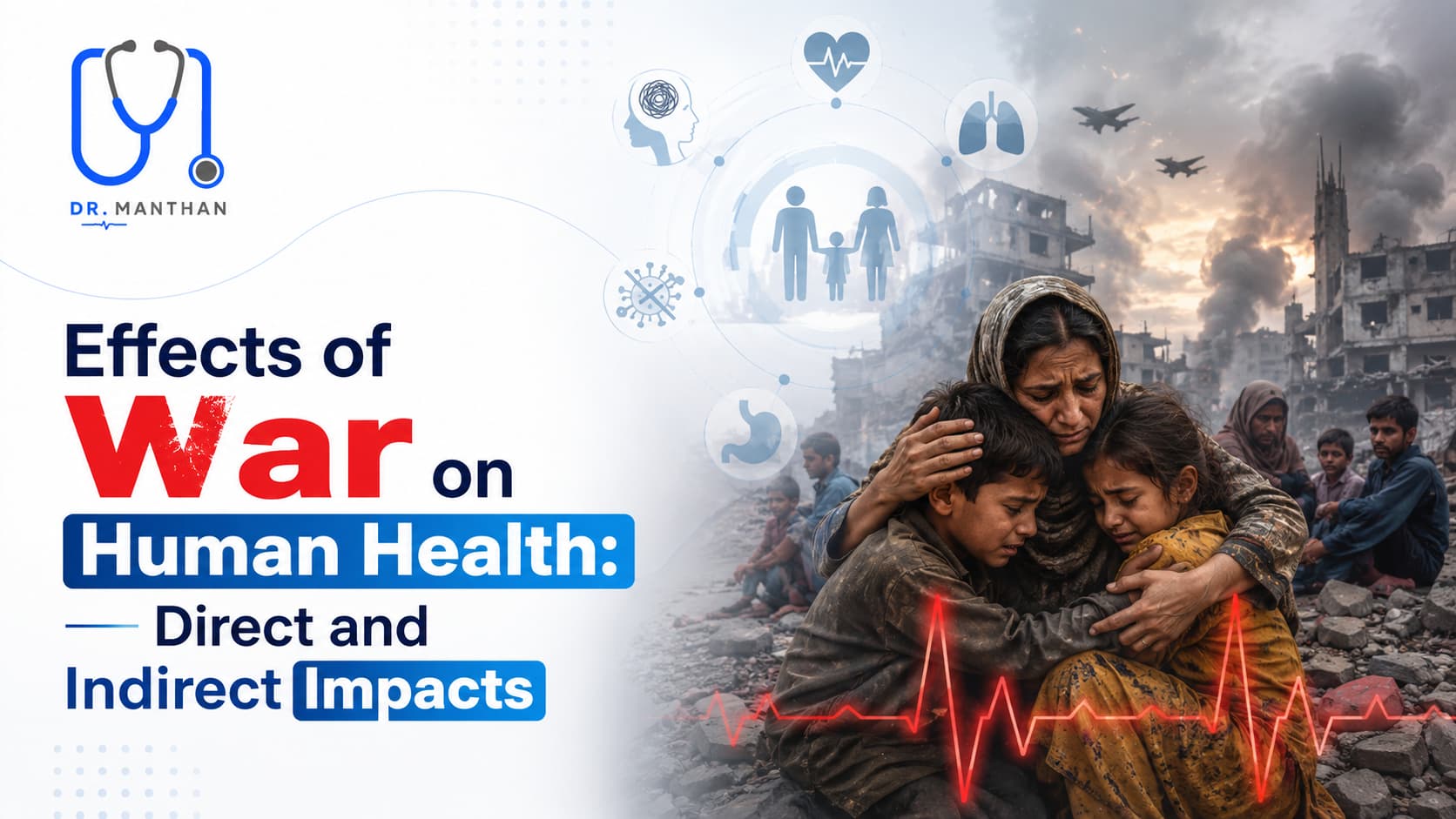
When we watch news coverage of geopolitical crises, the camera lenses naturally focus on immediate devastation, such as shattered buildings, frontline combat, and sudden casualties. But as a medical professional, I look at those images and see the starting point of an entirely different disaster. The true toll of armed conflict is not a static number tallied when the fighting stops. Instead, it is a massive, ongoing public health emergency.
The profound effects of war on human health act like a heavy stone thrown into a still pond. The ripples expand outward, touching every aspect of biological, emotional, and social wellness. If we look closely at modern medical data, an uncomfortable truth emerges. The destruction of medical infrastructure, clean water access, and preventative care networks ultimately cuts down far more lives than active battlefield weapons. The damage creates a multi-generational crisis that outlives the political disputes that triggered it.
Effects of War on Human Health
The most unmistakable, immediate consequence of conflict is acute physical trauma. Modern military engagements rely on highly destructive explosive weaponry, high-velocity ballistics, and structural collapses that inflict complex, multi-system trauma on human bodies. In our emergency rooms, we classify these as high-severity blast injuries, penetrating shrapnel wounds, and severe traumatic brain injuries.
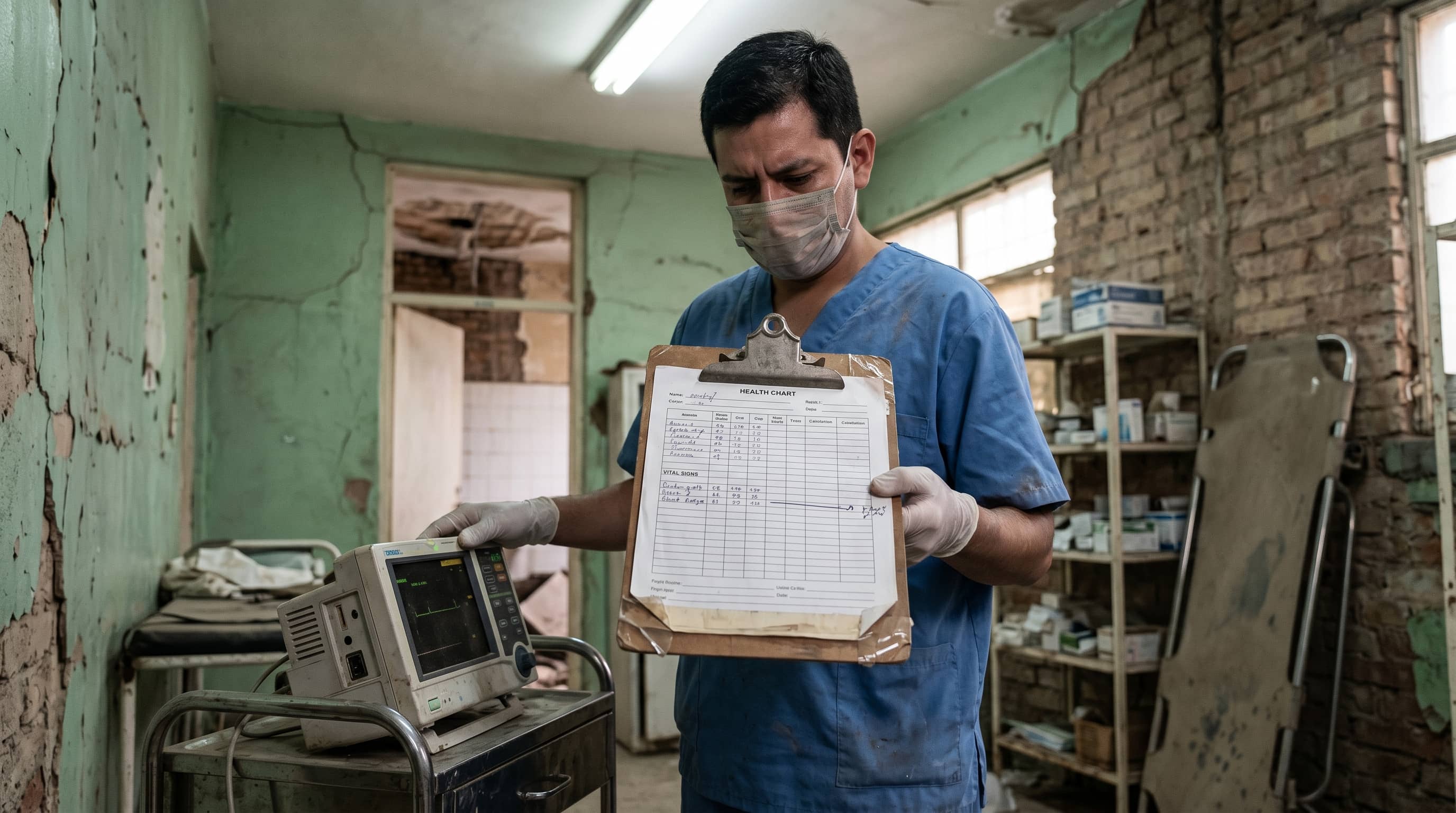
Managing these conditions requires sophisticated tertiary care, sterile surgical suites, and an abundant supply of blood products and anesthetics. In a stable environment, a well-resourced hospital handles trauma through careful triage. In a conflict zone, however, the sudden arrival of thousands of critically injured civilians completely breaks the local system.
When emergency rooms run out of simple necessities like sterile bandages, clean water, or basic antibiotics, a tragic shift occurs. Easily survivable injuries quickly turn fatal due to secondary bacterial infections or delayed surgical care. For those who survive the initial blast, the road ahead remains incredibly steep. The long-term burden of complex trauma means communities are left with thousands of individuals requiring permanent prosthetic management, repetitive reconstructive surgeries, and intensive physical rehabilitation for decades to come. This permanent damage severely limits the baseline of physical health across the surviving civilian population, proving that the effects of war on human health span far beyond temporary battlefield encounters.
Healthcare Infrastructure Breakdown in War
While emergency surgeries make the headlines, the quiet, indirect collapse of standard medical infrastructure is what drives civilian mortality rates sky-high. War safely leaves few hospitals untouched. Supply lines fracture, power grids fail, and clinics are frequently damaged or abandoned as medical staff are forced to flee for their own safety.
When a community healthcare network disintegrates, routine medicine stops entirely. This creates an immediate, silent emergency for patients living with chronic, non-communicable diseases. Without regular maintenance, highly manageable conditions rapidly escalate into fatal events.
Critical Therapy Interruption
Patients who depend on regular hemodialysis for kidney failure, scheduled chemotherapy cycles for cancer, or daily insulin injections for diabetes face an abrupt, life-threatening halt in their treatment protocols.
Diagnostic Capability Loss
When laboratory analyzers, magnetic resonance imaging machines, and X-ray units lose power or replacement parts, early-stage malignancies, cardiovascular blocks, and internal complications go completely undetected.
Supply Chain Failure
Standard, daily medications for common systemic conditions like hypertension, asthma, and cardiovascular disease disappear from pharmacy shelves or become too expensive for the average family to buy.
When these basic medical pillars crumble, the community sees a sharp rise in preventable deaths. A lack of simple blood pressure medication or a missed asthma inhaler can turn a stable patient into an emergency statistic that the local system can no longer save. The global community must recognize that non-communicable diseases become major killers when stability is lost, illustrating the long-term effects of war on human health.
Infectious Disease Outbreaks During War
War has always been a major driver of infectious disease. When bombs damage municipal water treatment plants, break sewage pipelines, and destroy sanitation systems, the basic baseline of public hygiene disappears. Displaced families are forced into crowded, temporary camps or unheated shelters, creating the exact environmental conditions that pathogens need to spread rapidly.
Water-borne pathogens thrive in these broken landscapes. We routinely see sharp increases in highly contagious illnesses like cholera, bacillary dysentery, and typhoid fever. Furthermore, long-term disruption allows chronic communicable diseases like tuberculosis to spread unchecked, while poor living conditions accelerate the transmission of vector-borne illnesses like leishmaniasis or malaria.
|
Conflict Impact Factor |
Direct Public Health Consequence |
Long-Term Societal Burden |
|
Sanitation Damage |
Rapid spread of water-borne bacteria like Cholera |
Persistent local epidemics and contaminated water tables |
|
Vaccination Halts |
Collapse of herd immunity against preventable viruses |
Resurgence of childhood illnesses like Polio and Measles |
|
Trade Blockades |
Acute food shortages and severe caloric deficits |
Widespread stunting, wasting, and immune suppression |
This vulnerability is made worse by the total breakdown of routine childhood immunization programs. When a conflict stops the distribution of basic vaccines for measles, polio, and pertussis, it creates a dangerous immunity gap. An entire generation of children is left completely unprotected against preventable childhood diseases, setting the stage for international travel to spread these outbreaks far beyond the borders of the conflict zone.
At the same time, food supply chains collapse as agricultural fields become battlegrounds and trade routes are blocked. The resulting food insecurity leads to acute malnutrition. When the body suffers from severe nutritional deficiencies, the immune system weakens, leaving vulnerable populations, especially young children and the elderly, unable to fight off minor infections. This creates a tragic, cyclical pattern of starvation and infectious disease, cementing the cascading effects of war on human health.
Maternal and Neonatal Risks in War
As doctors, we know that the health of pregnant women and newborns is a clear indicator of the overall well-being of a society. During times of war, this specific group faces devastating risks. The combination of intense psychological stress and a total lack of prenatal care causes maternal and neonatal health outcomes to plummet.
Medical research confirms that the extreme stress of living in an active conflict zone changes maternal physiology. Expectant mothers experience significantly higher rates of premature rupture of membranes, gestational hypertension, and severe postpartum hemorrhage. When there are no clean birthing clinics, sterile fields, or trained obstetricians available, what should be a joyful, routine delivery can quickly become a life-threatening crisis.
For newborns, the environment is incredibly hostile. Infants born in conflict zones face a high probability of low birth weight and premature birth. Without functioning neonatal intensive care units, warm incubators, or respiratory support, these fragile infants often cannot survive their first critical days. Those who do survive frequently experience long-term developmental delays and lifelong health vulnerabilities because they missed out on basic neonatal care, demonstrating how early the effects of war on human health can compromise a human life.
Chronic Psychological Trauma in War
The physical damage caused by war is easy to see and document, but the psychological scars run just as deep and last just as long. For civilians caught in conflict zones, the experience of constant violence, the sudden loss of close family members, and forced displacement from their homes causes severe, long-term psychological damage. These factors heavily degrade the baseline of community mental health, multiplying the invisible effects of war on human health.
Conditions like Post-Traumatic Stress Disorder, generalized anxiety disorders, and clinical depression are incredibly common among populations that have experienced war. Individuals feel constantly stressed and isolated from security. For young children, growing up in an environment dominated by fear, explosions, and insecurity disrupts normal neurological and emotional development. These early experiences can lead to severe behavioral issues and emotional difficulties that follow them well into their adult lives.
Importantly, these psychological injuries are not just emotional issues, as they have major physical consequences. Chronic emotional stress keeps the fight-or-flight response of the body permanently active, flooding the system with cortisol and adrenaline. Over time, this constant chemical stress damages the body, accelerating cardiovascular disease, weakening immune responses, and causing chronic gastrointestinal issues. Because mental health resources are almost completely unavailable in war-torn regions, millions of people are left to deal with depression and trauma completely on their own.
Restoring Public Health
The wide-ranging effects of war on human health show us that a stable, peaceful society is the most fundamental prerequisite for effective medicine. True healthcare requires a safe environment where the infrastructure of life, such as clean water, stable power, open roads, and protected clinics, can function without interruption.
When these systems are broken by conflict, the path to recovery must be deliberate and systematic. Initial efforts must focus on restoring basic public health necessities, including clean drinking water, widespread vaccination campaigns, and reliable access to essential daily medications. At the same time, communities must build accessible mental health support and specialized care for mothers and children to address both the visible and invisible trauma left behind.
On our medical platform, we study these international healthcare crises because they highlight a vital lesson. We must build and maintain highly resilient public health frameworks at home. By supporting strong preventative care, safeguarding our local medical supply chains, and maintaining robust emergency preparedness plans, we can protect our communities against unexpected global disruptions. Investing in a strong, stable healthcare infrastructure today is the only way to ensure a healthier, safer tomorrow for everyone, mitigating the dangerous long-term effects of war on human health.
Frequently Asked Questions
Why do indirect health effects cause more deaths than combat?
While weapons cause immediate, visible casualties, the breakdown of the clean water, sanitation, and medical networks of a society affects the entire population at once. When millions of people lose access to clean water, basic medications, and routine vaccines, treatable infections and chronic diseases quickly become fatal, leading to a much higher overall death toll.
How do localized conflicts affect global health security?
In our interconnected world, an infectious disease outbreak cannot be contained by geographic boundaries. When a conflict destroys local health systems and halts immunizations, it creates an ideal environment for diseases to mutate and spread. This can trigger international health emergencies that threaten global biosecurity according to guidelines.
What is required to rebuild a public health system?
Rebuilding is a complex, long-term process that takes decades. It requires a lot more than just repairing damaged hospital walls. It demands a systematic effort to clean contaminated water systems, restore broken supply chains for medications, retrain displaced healthcare workers, and provide long-term mental health support to help the community heal and reverse the multi-generational effects of war on human health.